FAQ
What is the primary reason iRacing protests are rejected?
Most protests are rejected because the incident is classified as a racing incident or a mistake rather than intentional malice, which requires a higher burden of proof.
How does iRacing define intentional wrecking?
Intentional wrecking is defined as a deliberate act where a driver uses their vehicle to strike another car or disrupt the race with malicious intent.
Why is 'waiting' considered a key indicator of retaliation?
Waiting removes the excuse of a racing incident; it demonstrates that the driver purposefully positioned themselves to cause a collision rather than competing for position.
Does a successful protest restore my lost Safety Rating?
No, iRacing protests are strictly for disciplinary purposes and do not result in the adjustment of iRating or Safety Rating for the involved parties.
What camera angles should I include in my protest?
You should include the chase cam for a clear view of the contact and the offender's cockpit cam to show their steering and throttle inputs.
Why Your iRacing Protest Was Rejected: Decoding the Burden of Proof
why-iracing-protest-rejected-burden-of-proof
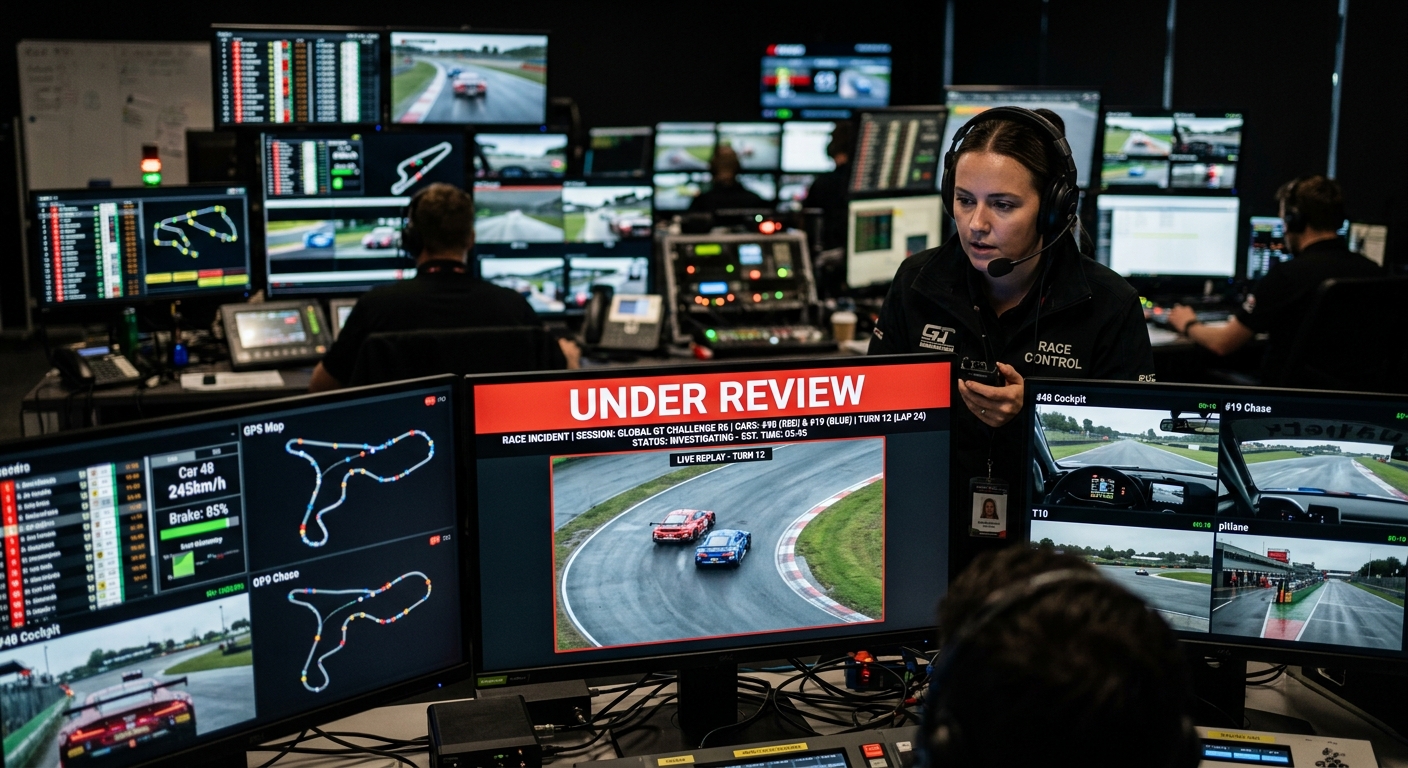
Understand why iRacing stewards dismiss seemingly clear retaliation as racing incidents and how to navigate the Sporting Code's high burden of proof for intentional wrecking.
The Gap Between Obvious and Provable Retaliation
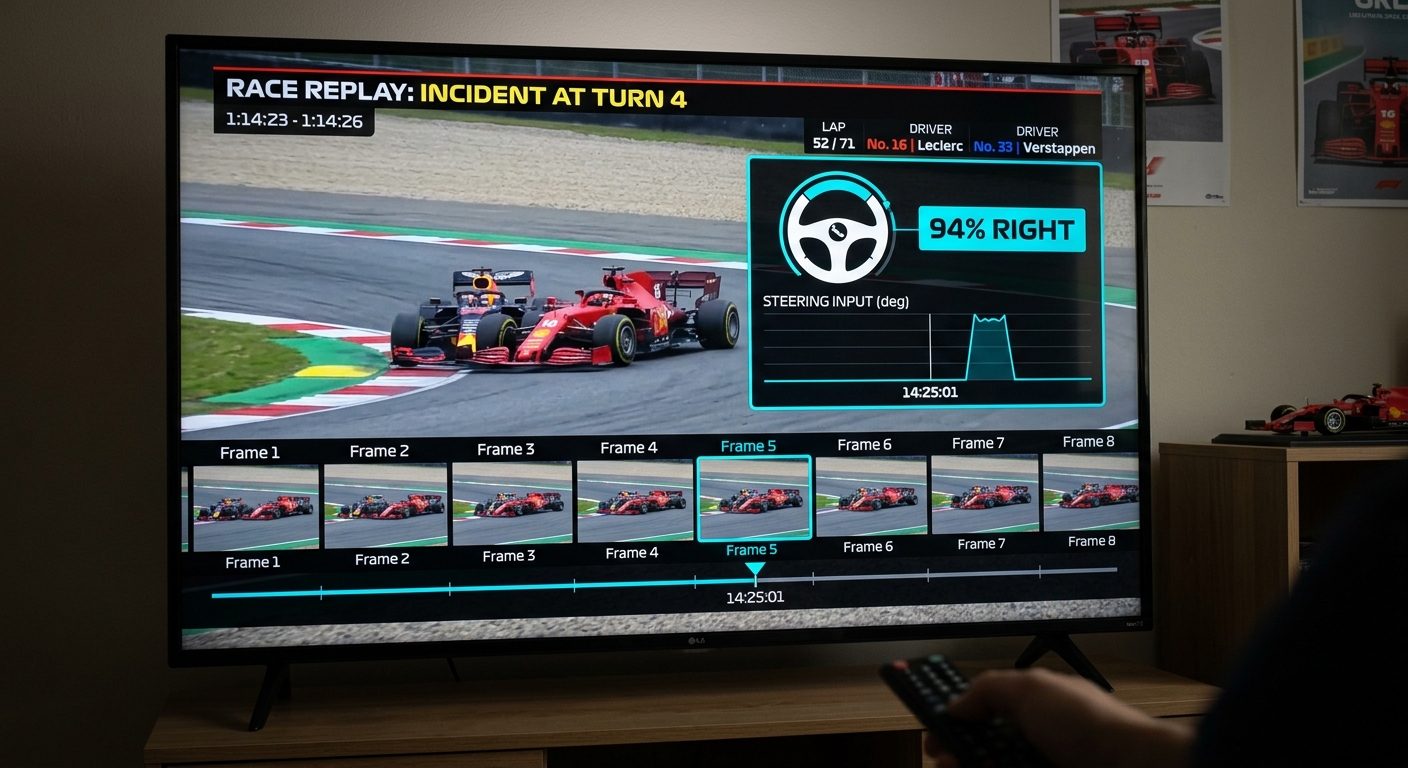
To a driver who has just been crashed out, the intent of the offender feels undeniable. However, stewards must look beyond the immediate frustration to find objective proof that stands up to the Sporting Code. The difference between a missed braking point and a targeted hit is often extremely subtle. Stewards look for steering inputs or throttle applications that deviate significantly from a normal racing line or recovery attempt. Without a clear smoking gun in the telemetry or replay, the benefit of the doubt is almost always granted to the accused driver to avoid punishing a genuine mistake. This is why many protests for intentional wrecking are dismissed if there is even a slight possibility of a loss of control.
The Sporting Code: Understanding Malice vs. Mistake
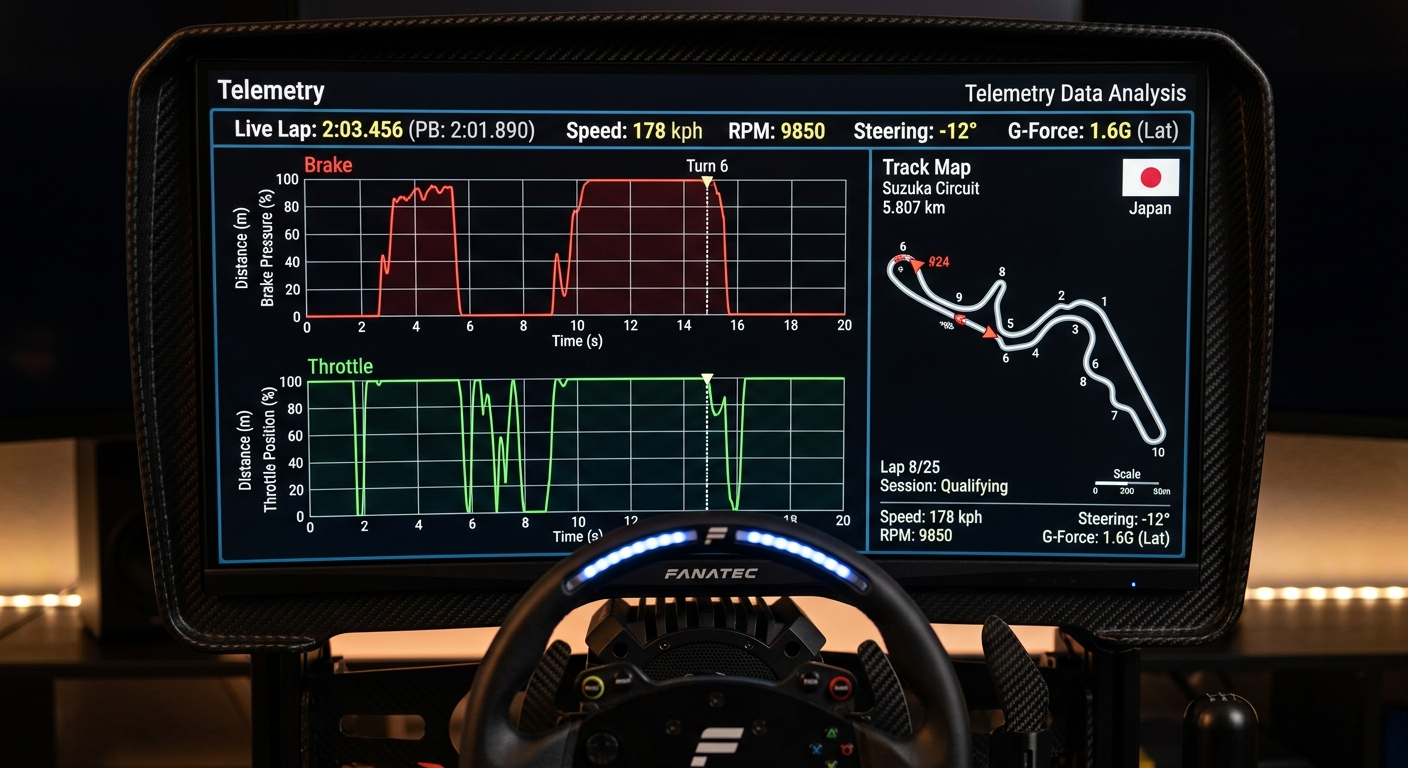
The iRacing Sporting Code is specifically designed to protect the service from deliberate, flagrant, or malicious actions rather than to punish poor driving. In the eyes of a steward, a mistake is a failed attempt to race cleanly, while malice is a successful attempt to cause harm. When you file a protest, you are making a formal accusation of intent. If the replay shows the offender attempted to counter-steer or brake before the impact, it is categorized as a mistake. Malice is usually only confirmed when the offender makes no effort to avoid contact or, more commonly, when they increase throttle and steer directly into the victim. This high bar ensures that racers aren't banned for simply being inexperienced or having a bad day.
How to Build a Stronger Case for Race Control
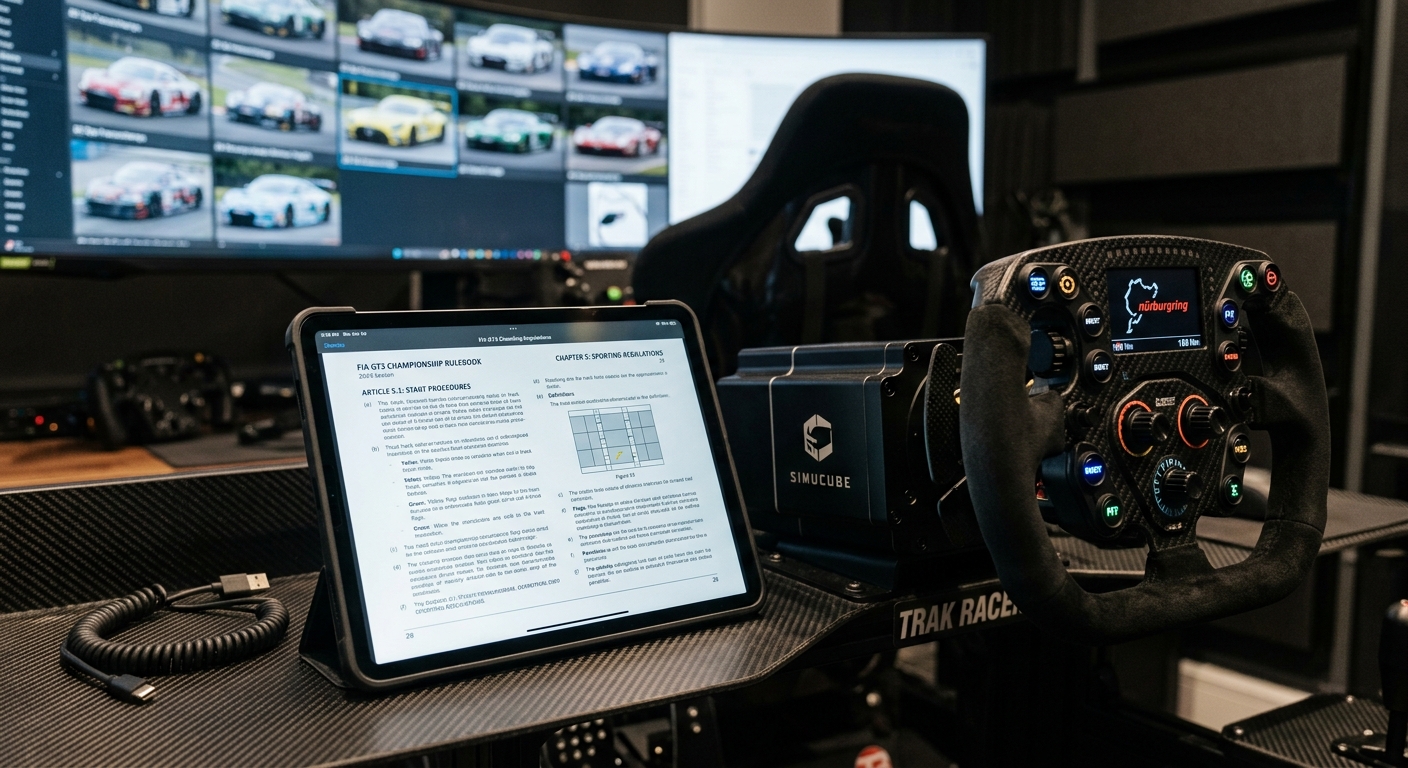
To increase the success rate of your protests, you must provide specific, undeniable evidence. One of the most significant indicators of retaliation is a driver waiting for their target. If a replay shows a car stopping on the apron or slowing down significantly to allow a specific driver to catch up, the intent becomes difficult to deny. When submitting your protest, always include the cockpit view of the offender. This allows stewards to see exactly where the driver was looking and what their hands were doing. If their steering remains fixed on your car rather than the apex of the corner, your case is much stronger. For leagues that require more nuanced and immediate race control than the public system provides, professional stewarding services like FairGrid offer a dedicated solution to maintain standards.
Elevate Your League's Integrity with FairGrid
Tired of the high burden of proof in public systems? FairGrid provides professional, nuanced stewarding services for leagues that demand higher standards. Our AI-assisted tools and expert stewards ensure your race control is fair, fast, and firm.